During World War II (1939–1945), South Holland’s agricultural landscape was thrust into the front line of the British home front. Heavily reliant on food imports before the war, Britain faced starvation from German U-boat blockades.
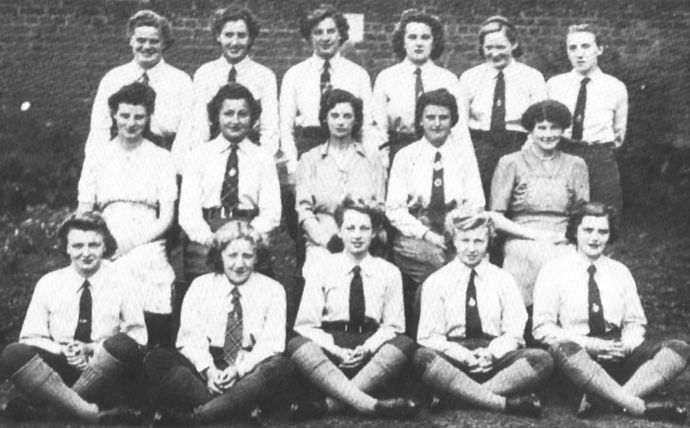
Because the flat, fertile Fenlands possessed some of the richest soil in the UK, South Holland was ordered by the government to dramatically maximize food production. However, with hundreds of local male agricultural workers conscripted into the military, a severe labor shortage threatened the harvest. The gap was filled by the Women’s Land Army (WLA).
👩🌾 The Influx of “Land Girls”
The number of WLA workers—popularly known as “Land Girls”—drafted into Lincolnshire skyrocketed from just 244 in 1940 to over 2,000 by 1945. The Holland district received a substantial share of these workers.
- The Urban Culture Shock: Many volunteers arrived from major industrialized cities like London, Nottingham, and Birmingham. For young women with no farming experience, being billeted in rural Fenland hostels or local farms was a massive culture shock.
- Back-Breaking Work: The recruitment posters often portrayed a romanticized, glamorous image of country life. In reality, South Holland’s heavy silt fields demanded grueling physical labor. Land Girls worked 48 to 50 hours a week through freezing winters and scorching summers, hand-hoeing crops and pulling heavy sugar beet from the frozen mud.
The Shift from Flowers to Food
The war completely changed what South Holland grew. To ensure national survival, luxury crops were restricted.
- Digging Up the Tulips: The government mandated a strict reduction in bulb acreage. Farmers were ordered to plow up their famous commercial flower fields.
- The Victory Crops: The colorful tulip fields were rapidly replaced with essential, high-calorie staples. Land Girls spent their days planting, harvesting, and processing vast fields of potatoes, wheat, carrots, and cabbages.
Driving Mechanisation and Independence
The presence of the WLA fast-tracked changes that altered South Holland farming permanently:
- Operating Heavy Machinery: Out of sheer necessity, Land Girls were trained to drive tractors and operate mechanical harvesters, breaking the traditional barrier that heavy machinery was exclusively “men’s work”.
- Pest Control Squads: Rodents posed a severe threat to grain stores. Specialized WLA anti-vermin squads were deployed across South Holland to catch rats and protect the food supply.
- Long-Term Impact: When the WLA was finally disbanded in 1950, they had successfully kept the nation fed. The experience fundamentally transformed the social fabric of South Holland, opening up the agricultural sector to female workers and demonstrating that intensive, mechanised farming was the future of the Fens.