Harvesting
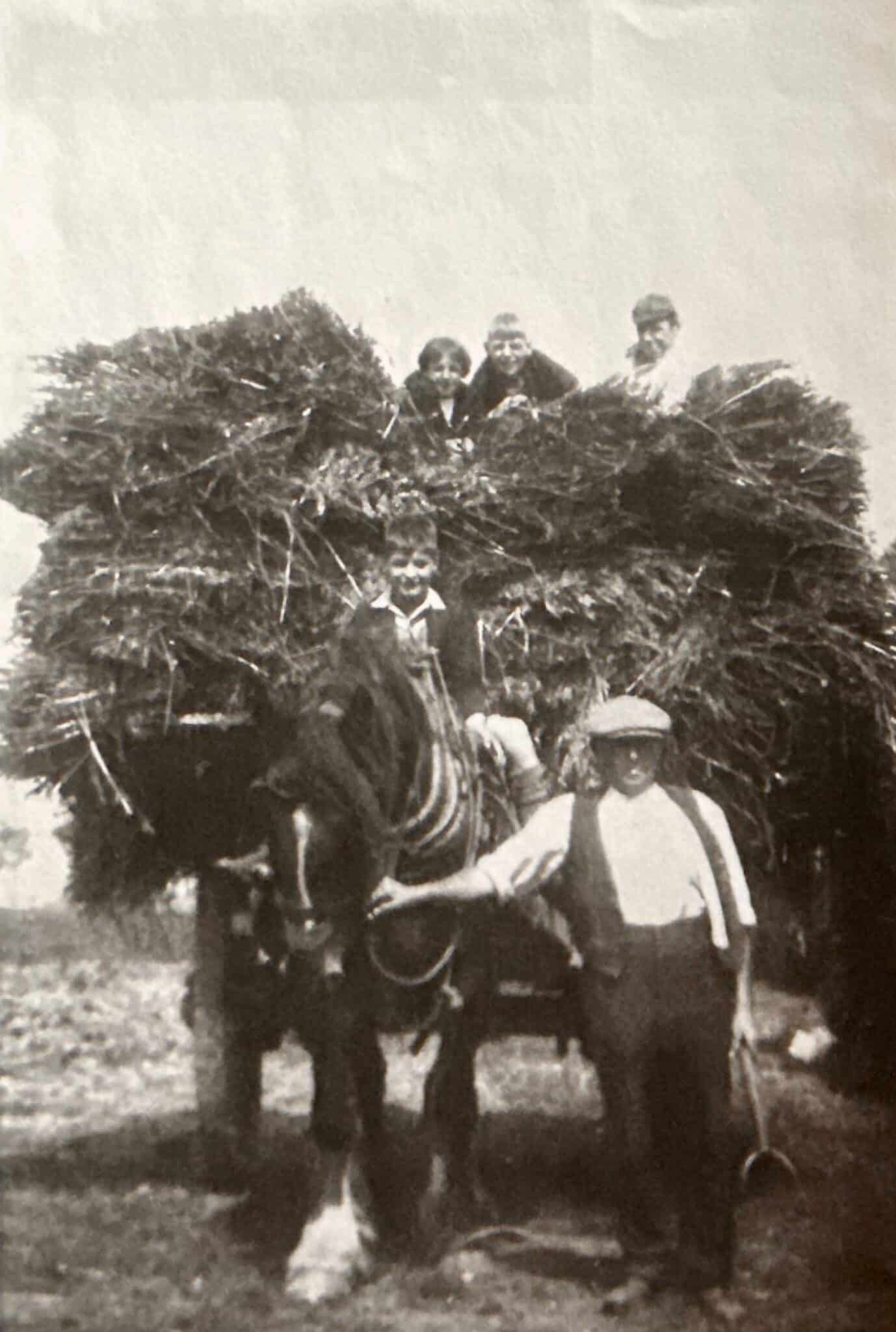
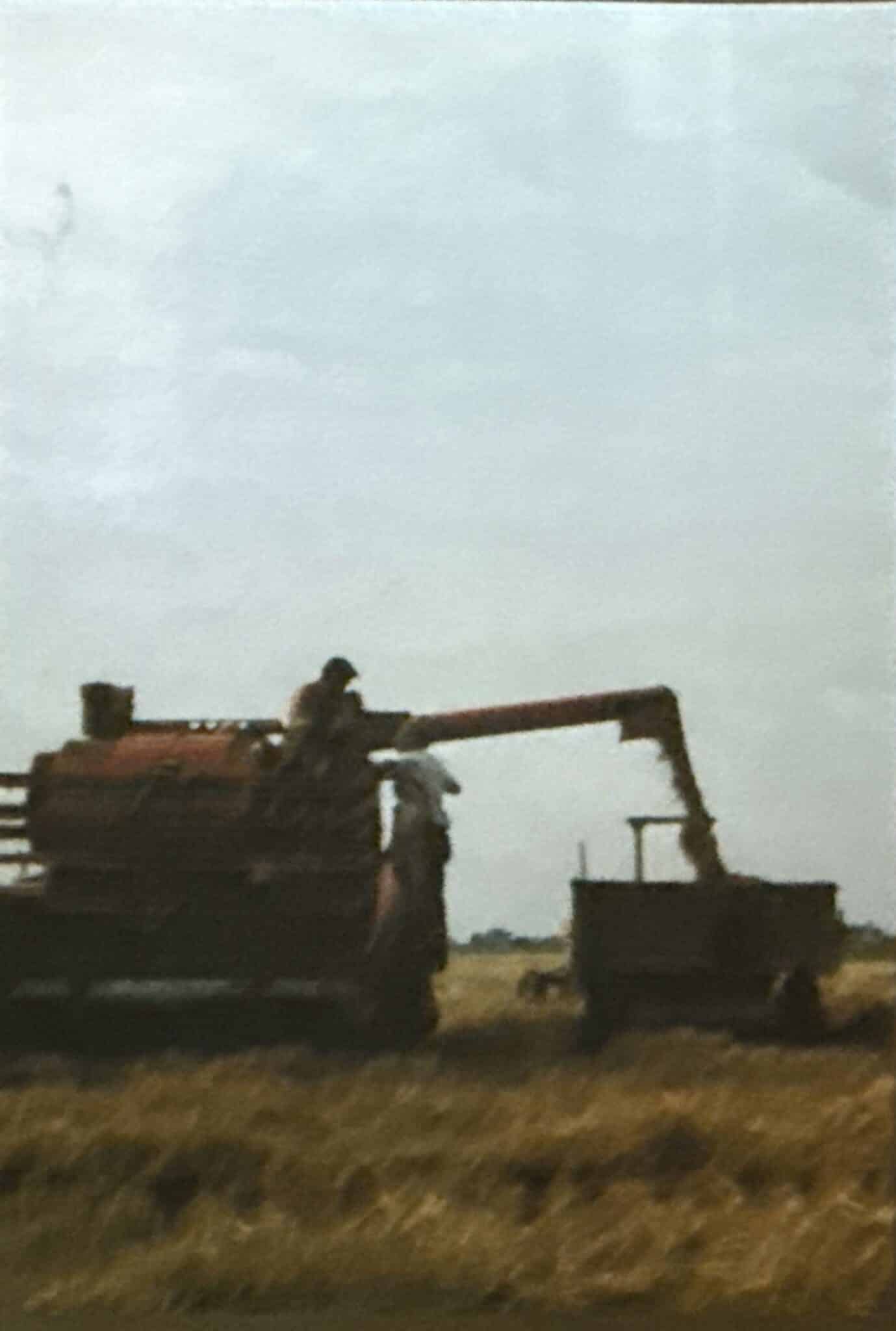
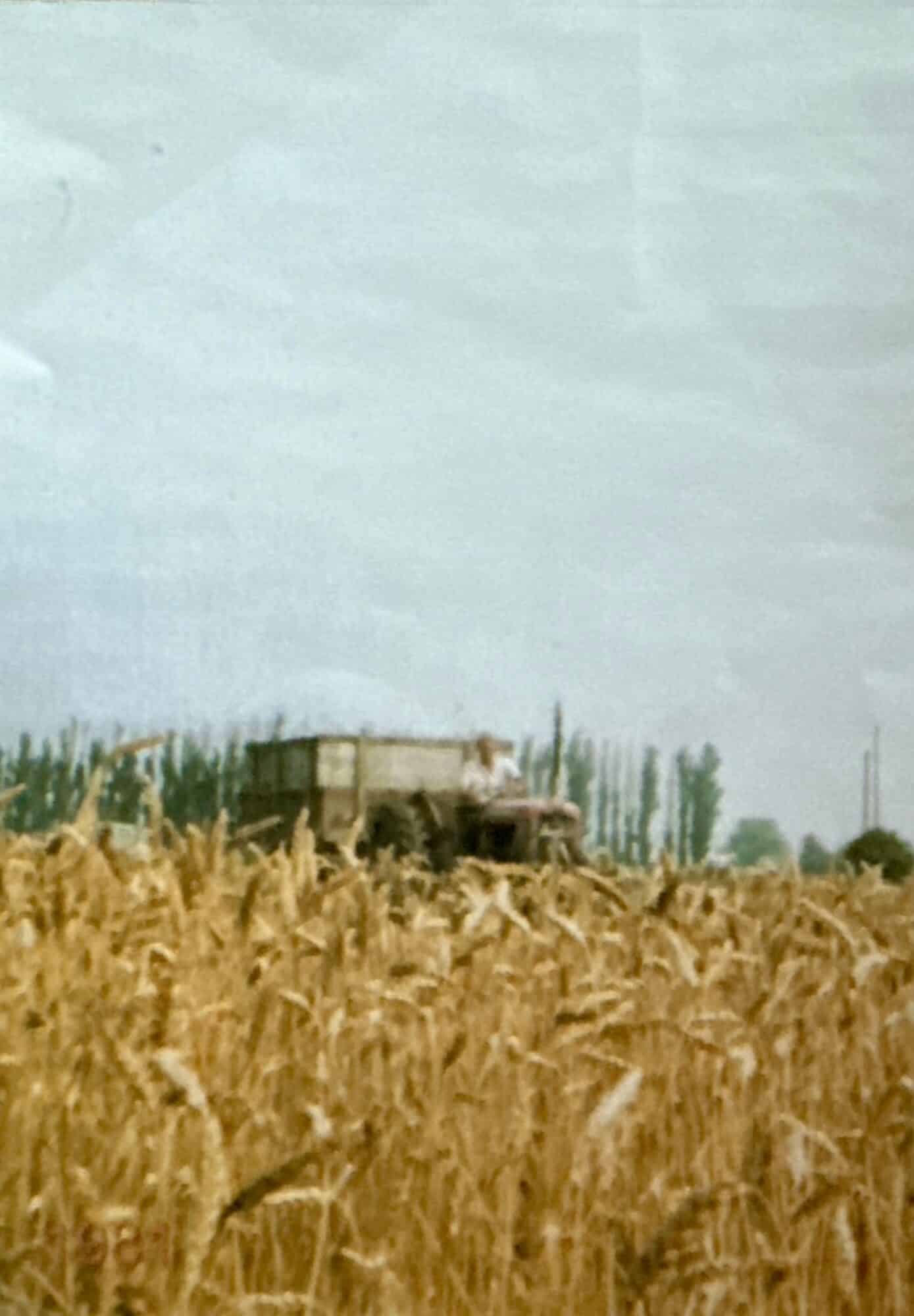
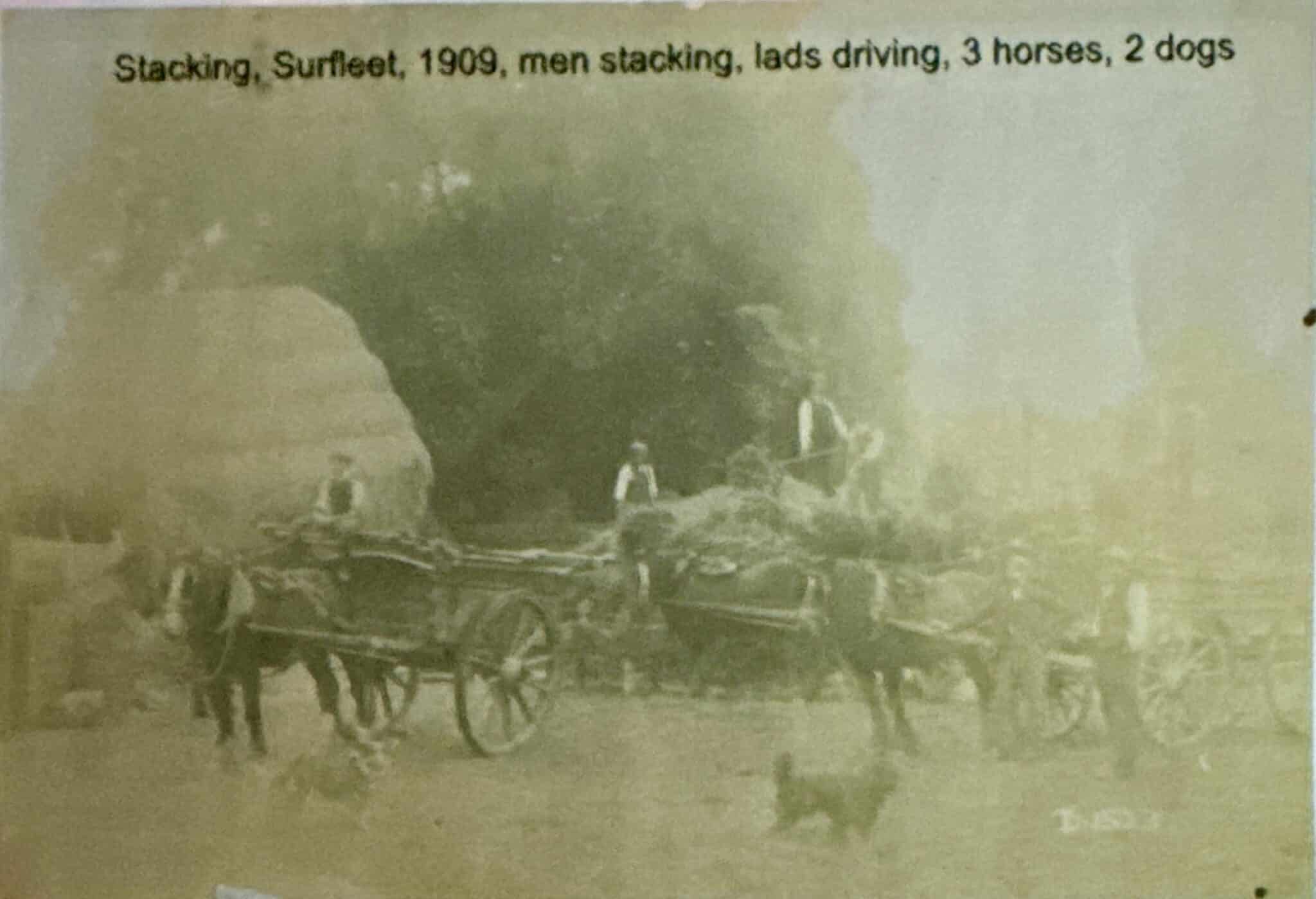
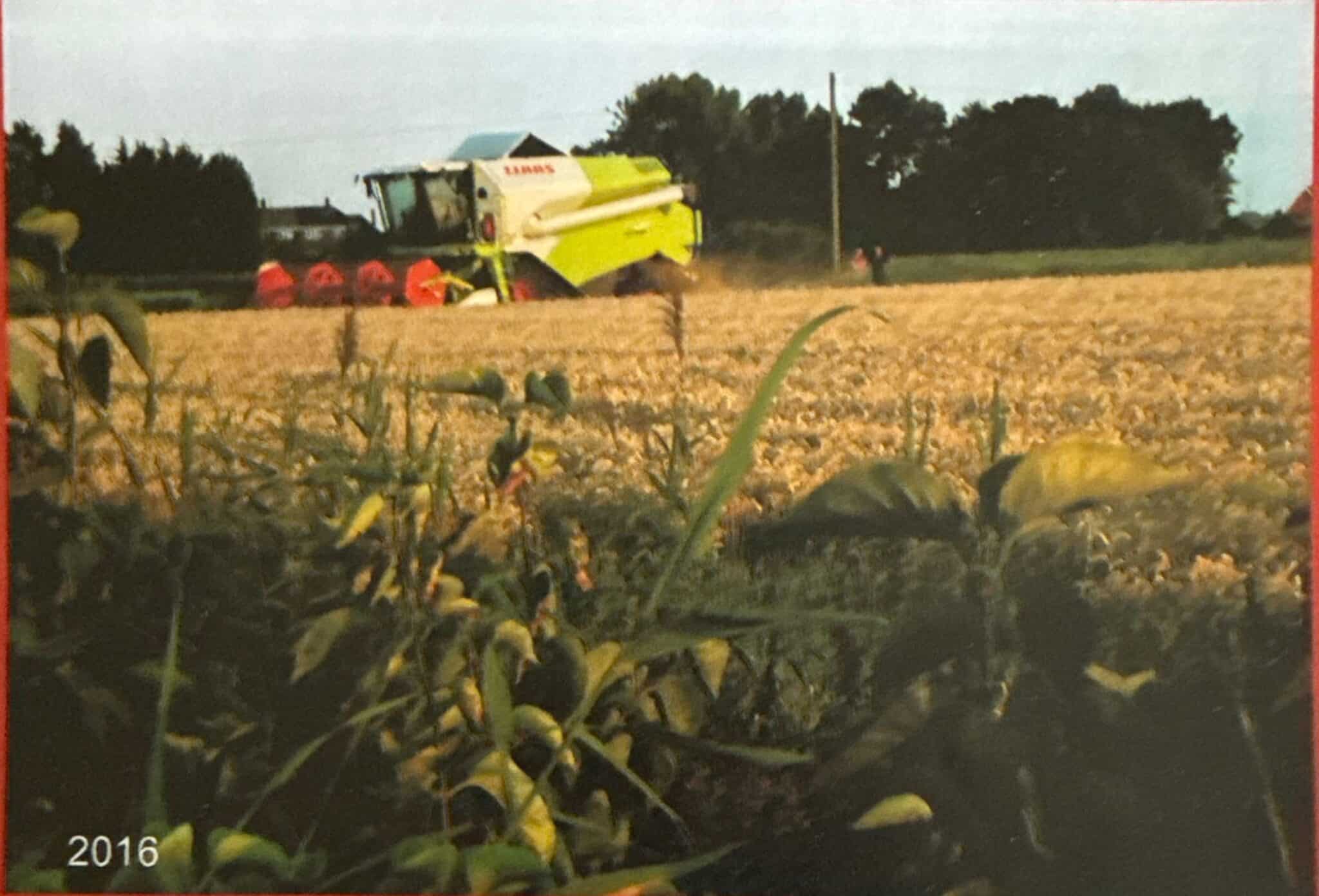
I can remember the 1950s, when my father harvested corn, and I remember the binder going round and throwing out bound sheaves. Dad would probably have called them shoaves. They had to be stowked and the stowks were left for a while to dry. Then the stowks were led, which means putting them on to a cart and taking the load of corn up to the stack yard and making a stack of the un-threshed corn. Skill is required in knowing how to stack the shoaves on a cart or into a stack. You don’t just put them any-old-how. Farmers tended to work together because many hands were needed. Dad used to help brothers who farmed further up the lane and they helped him. A horse or a tractor pulled the cart which was moving from stowk to stowk. If there were enough people, a person would drive the horse or the tractor. I ‘drove on’ for Dad when I was a girl, not much, but I definitely did. He never taught me how to drive a tractor properly but I knew how to let my foot gently off the clutch when they shouted ,”O.K.” and put my foot down on the clutch, and keep it there, when someone shouted, “Whoa.”
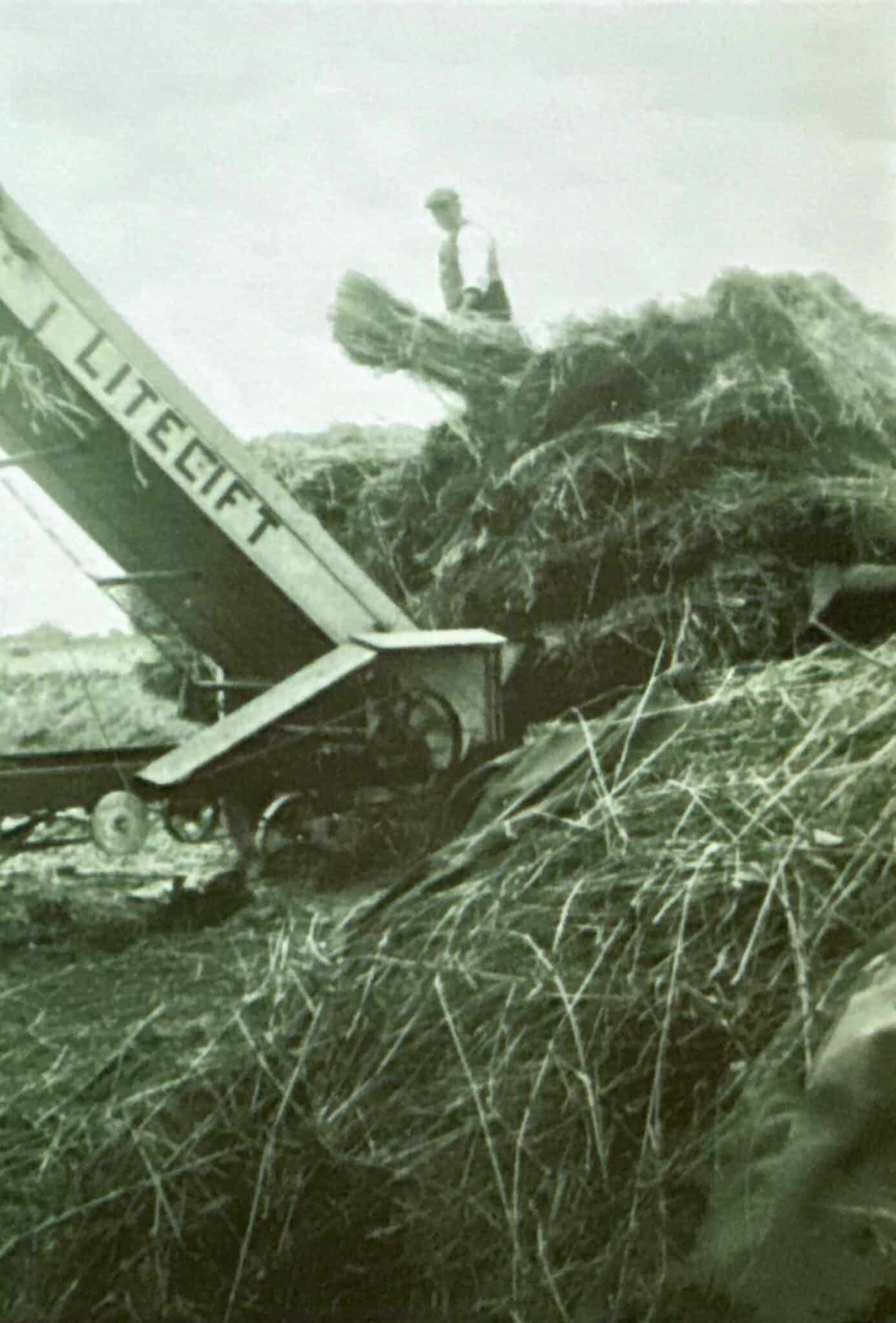
The corn was stacked and later on the threshing engine came round and it was all hands on deck. The grain was threshed out and the straw was stacked again, to be used in the winter as bedding. As far as I know the most unpleasant job at threshing was carrying the chaff.
Sometimes raves were put on to a cart so that it could hold more. If you google them put in ‘raves on a farm cart’. They were extra pieces of wooden grids which fitted on to the cart. If someone in my family heaped a lot of food on his or her plate there might be the question asked – Do you think you need raves on that plate?
Milking
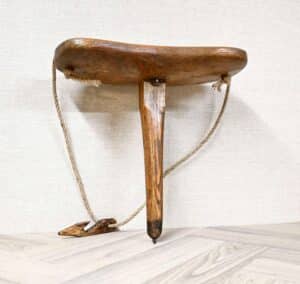
I have often seen my father milk a cow. He had a one-legged stool – a T shape. The leg went down into the straw of the crew yard. He sat on the other piece and rested his forehead against the cow’s flank. He would say, “Cush then, cush, cush, suthen, cush”. When the cow was milked the milk was taken up to the bungalow and it was strained through muslin into a big white jug. Our pantry had a wide shelf, big enough for a pansheon/pancheon to hold a lot of milk. The cream was allowed to come up to the top and could be skimmed off with a skimmer, which was a circular, dished, piece of metal with a little handle at the edge and with holes in it to let the thinner milk drip through. I probably have skimmed the milk but I have never made butter, My aunts and my grandmother made butter.
Once, my father needed to go from the farm in Hungate Lane to Coalbeach Lane, where we lived. For some reason I was at the farm that evening. He milked the cow, strained it, and put some for us into the ‘milk can’. We could have walked. We didn’t. He had his bike at the farm, so he put me on his shoulders (Don’t jiffle, don’t push my cap down.) and carried the milk can in one hand and biked round by way of Bendyke Lane and Thary Lane. The link road didn’t exist in those days. We didn’t fall, but I remember sitting up high, keeping balanced.
Various
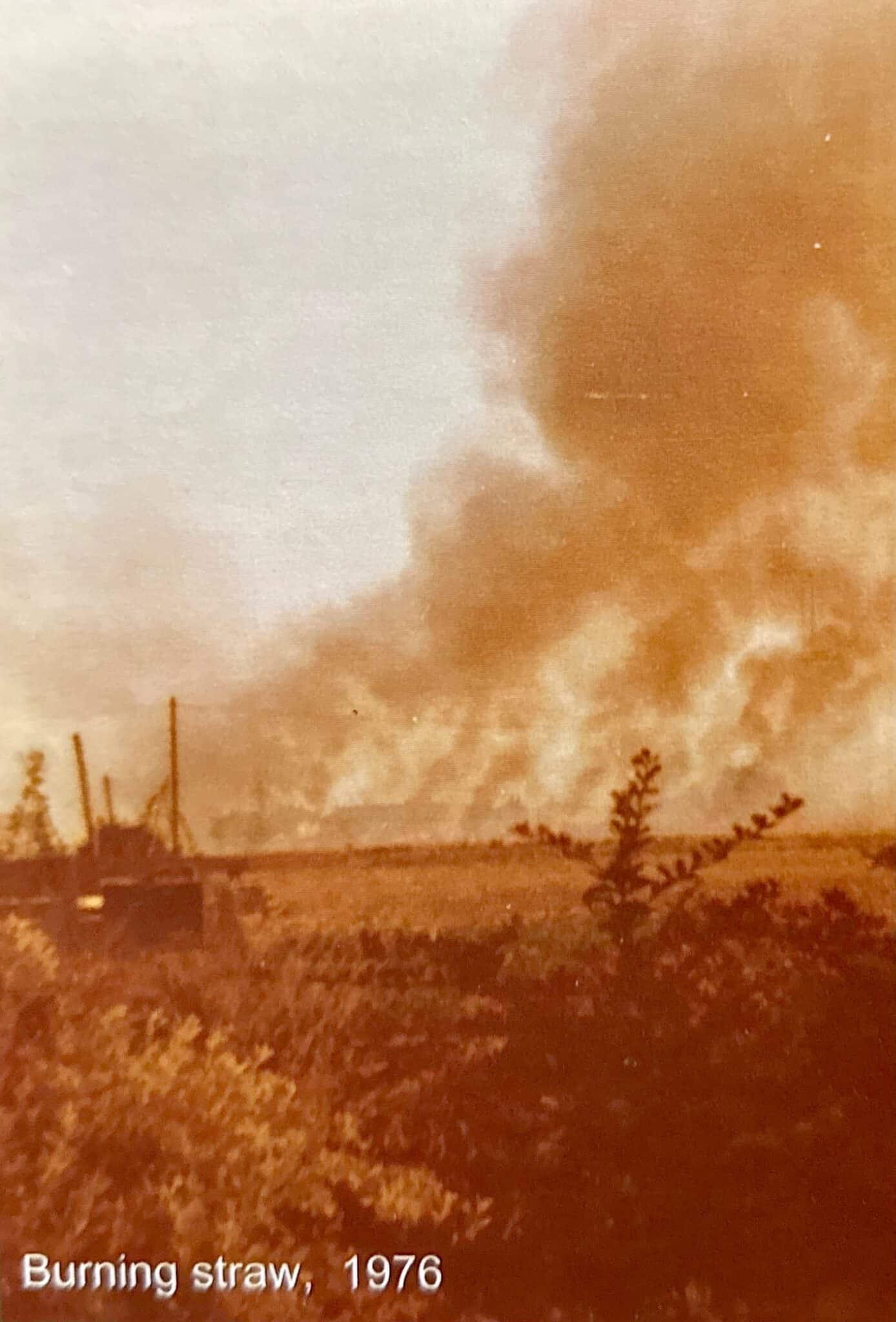
In the late 1950s and earlier 1960s I went to school on the school bus. So we went past Spalding Cemetery on our left, then Spalding Laundry, the end of West Elloe Avenue and then The Mintling Home, which was probably called Pinchbeck Road Hospital at that point. Spalding Beet Factory was open in those days. Most tractors were without cabs. There weren’t twin bridges at the end of West Marsh Road. There was only one bridge. Farmers from the Holbeach direction and the Donington direction would be going to the factory, so the bridge would be much used. I seem to remember queues of tractors which needed to go up West Elloe Avenue.