Google Analytics is a powerful tool that tracks and analyzes website traffic for informed marketing decisions.
Service URL: policies.google.com (opens in a new window)
__utmt
Used to monitor number of Google Analytics server requests
10 minutes
__utmb
Used to distinguish new sessions and visits. This cookie is set when the GA.js javascript library is loaded and there is no existing __utmb cookie. The cookie is updated every time data is sent to the Google Analytics server.
30 minutes after last activity
__utmc
Used only with old Urchin versions of Google Analytics and not with GA.js. Was used to distinguish between new sessions and visits at the end of a session.
End of session (browser)
__utmz
Contains information about the traffic source or campaign that directed user to the website. The cookie is set when the GA.js javascript is loaded and updated when data is sent to the Google Anaytics server
6 months after last activity
__utmv
Contains custom information set by the web developer via the _setCustomVar method in Google Analytics. This cookie is updated every time new data is sent to the Google Analytics server.
2 years after last activity
__utmx
Used to determine whether a user is included in an A / B or Multivariate test.
18 months
_ga
ID used to identify users
2 years
_gali
Used by Google Analytics to determine which links on a page are being clicked
30 seconds
_ga_
ID used to identify users
2 years
_gid
ID used to identify users for 24 hours after last activity
24 hours
_gat
Used to monitor number of Google Analytics server requests when using Google Tag Manager
1 minute
_gac_
Contains information related to marketing campaigns of the user. These are shared with Google AdWords / Google Ads when the Google Ads and Google Analytics accounts are linked together.
90 days
__utma
ID used to identify users and sessions
2 years after last activity

One Response
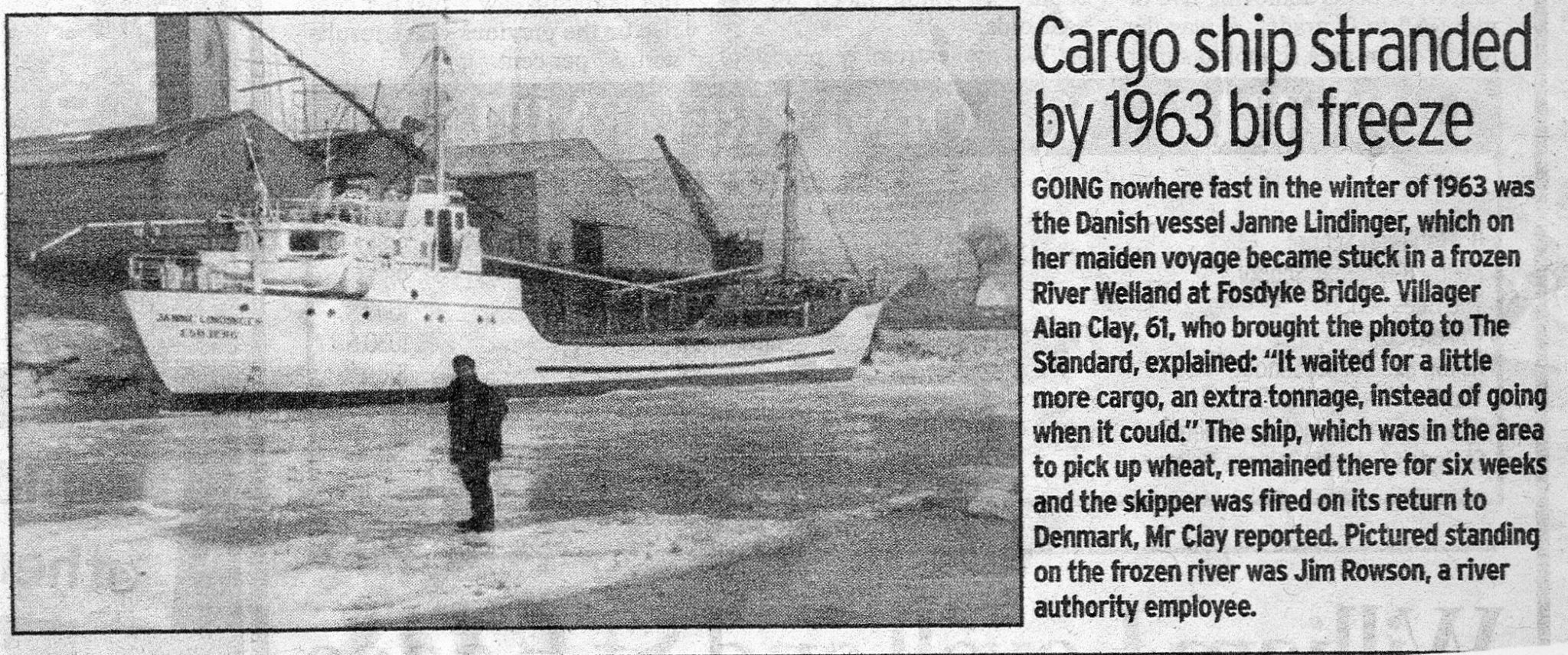
On the other side of the country, the big freeze began on Boxing Day 1962 and deepened so that the River Dee at Chester above the weir froze over and there were tyre-tracks of BMC Minis on the
ice. The extreme cold continued into the New Year of 1963, when I started UCCA interviews for a place at one of four universities, at Manchester, Leeds, Sheffield and one other. This meant rail-way journeys across the Pennines, where everything was whited out and the reservoirs near the tracks were frozen over. Even the salty sea water of the River Mersey froze, so ice-floes were abundant in the tidal channel. Hawarden railway bridge adjoining John Summers steelworks was operated by water pressure but one ram froze solid, forced the cylinder cover off, and is still missing. The fresh water of the upper Dee at Sandy Lane was so thick that someone drove a Ford Zephyr across to the meadows. The mains water pipes in Birkenhead were frozen till May.