
The building on Haverfield Road, long known locally as the Old Drill Hall, was constructed in 1913 as a Territorial Force drill hall for the Spalding detachment of the 4th Battalion, Lincolnshire Regiment
The foundation stone was laid on 20 February 1913, marking the expansion of Territorial Force facilities in the years immediately before the First World War. The drill hall provided a permanent base for local part-time soldiers, used for evening drills, administration, equipment storage and ceremonial parades.
During the inter-war years, the building continued in use as a Territorial Army drill hall. Directories from the 1930s list it as the headquarters for the Spalding detachment of the Lincolnshire Regiment, firmly establishing its role in the town’s military life.
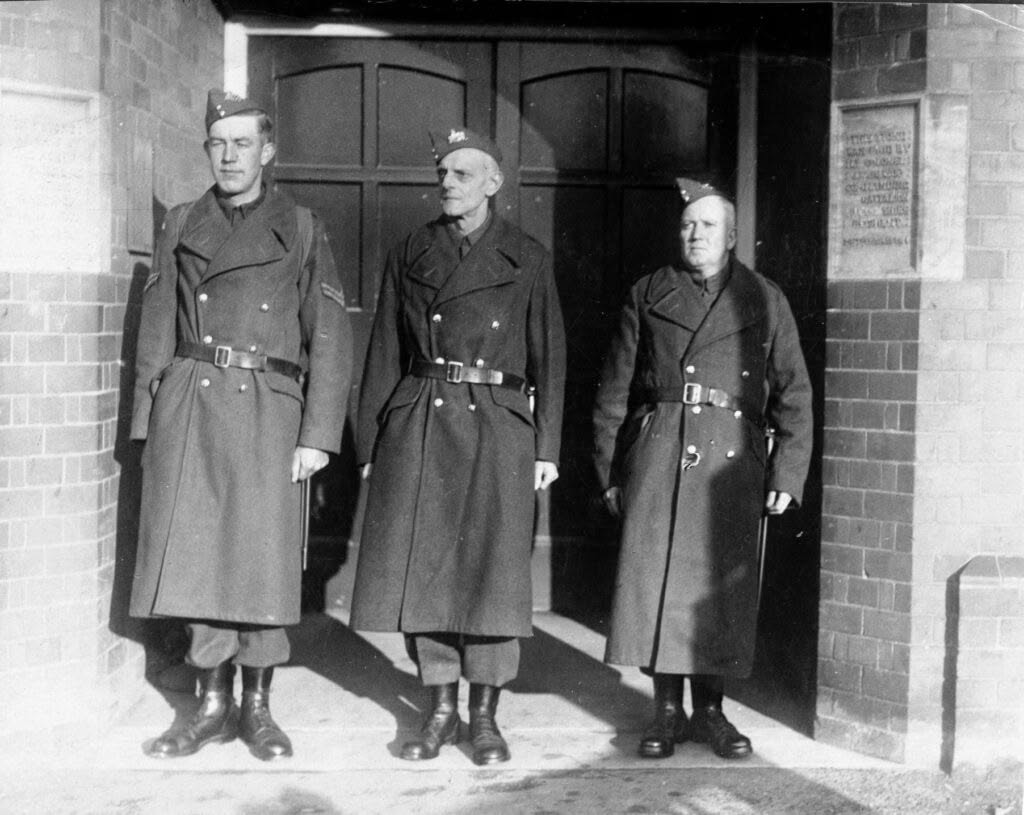
With the outbreak of the Second World War, the drill hall once again became an important local military centre. Like many such buildings across Britain, it was used for mobilisation, training and administration. Photographs from 1939 show soldiers outside the building, and it is also associated with the Spalding Home Guard, who used the hall during the war years.
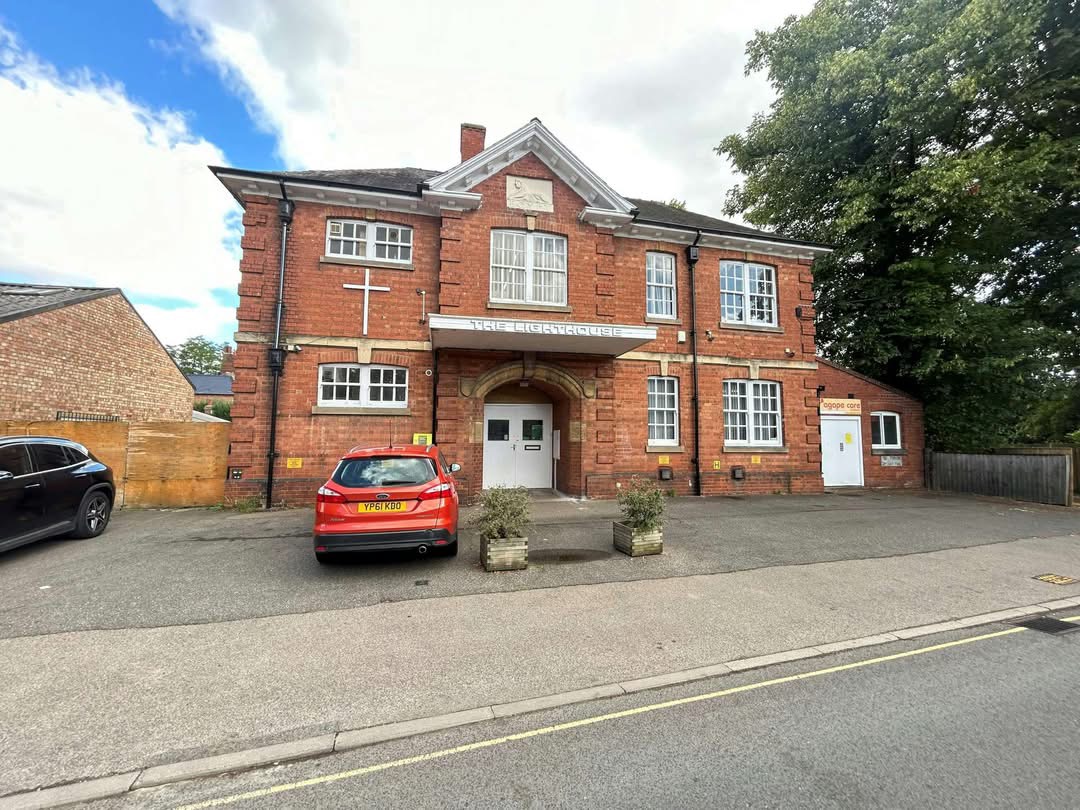
Following the war and the reorganisation of the Territorial Army, the building eventually passed out of military use. In later decades it was adapted for civilian purposes and became widely known as The Lighthouse, a Pentecostal church, while still being referred to locally as the former drill hall.
Today, although its function has changed, the building remains a visible reminder of Spalding’s long connection with the citizen-soldier tradition and the role the town played in Britain’s military history during the two World Wars.
Source: Facebook
2 responses
This building was, for many years, home to Lincolnshire County Council library service. Two mobile libraries were parked and worked out of there. The building supported about 12 employees and was responsible for distributing new book stock and keeping a catalogued record of all books in the ‘Boston’ area. I think 7 libraries total? There was also a very large book reserve. The schools library service operated from the same building.
Spalding Grammar School used it as a study space in the early nineties.